In which I attempt to account for the time it took to put out what was meant to be a short, sweet, little party game about being horrible people making horrible monsters.
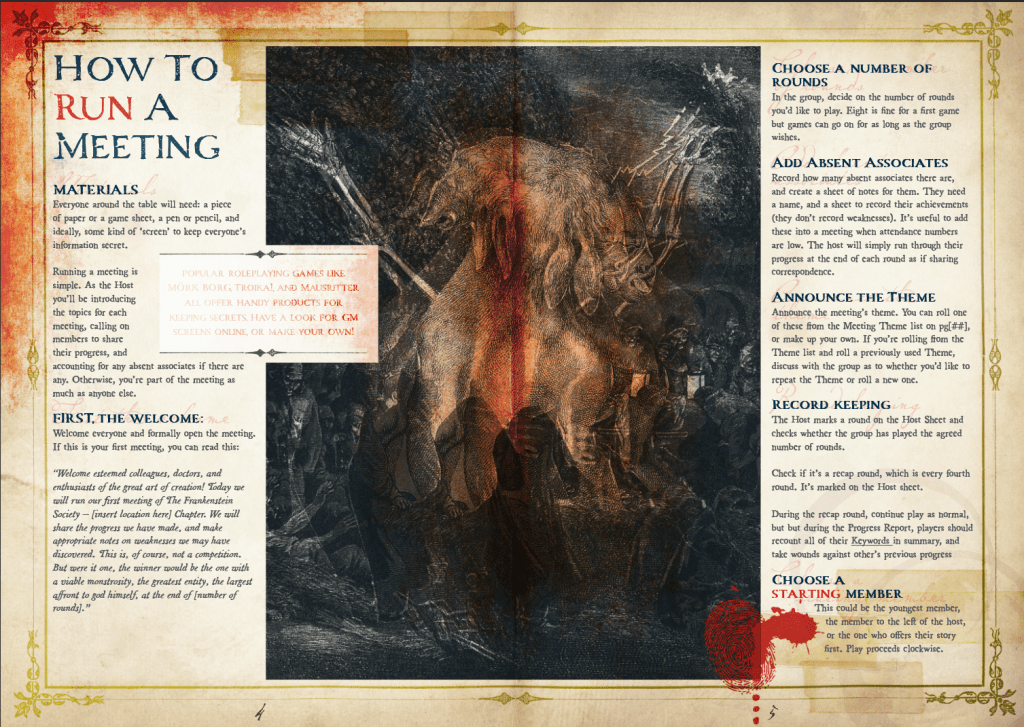
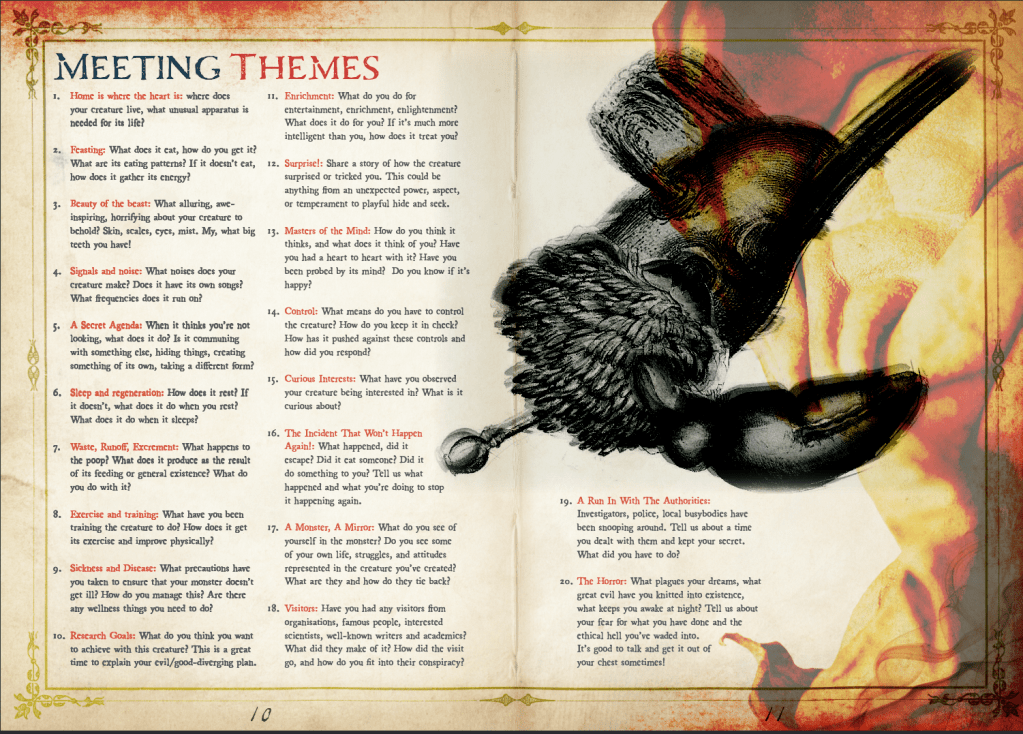
In February 2024 I launched a Kickstarter campaign as part of ZineQuest to create, publish and print a party-roleplaying-game called The Frankenstein Society Meeting Handbook.
Why would you even do that?
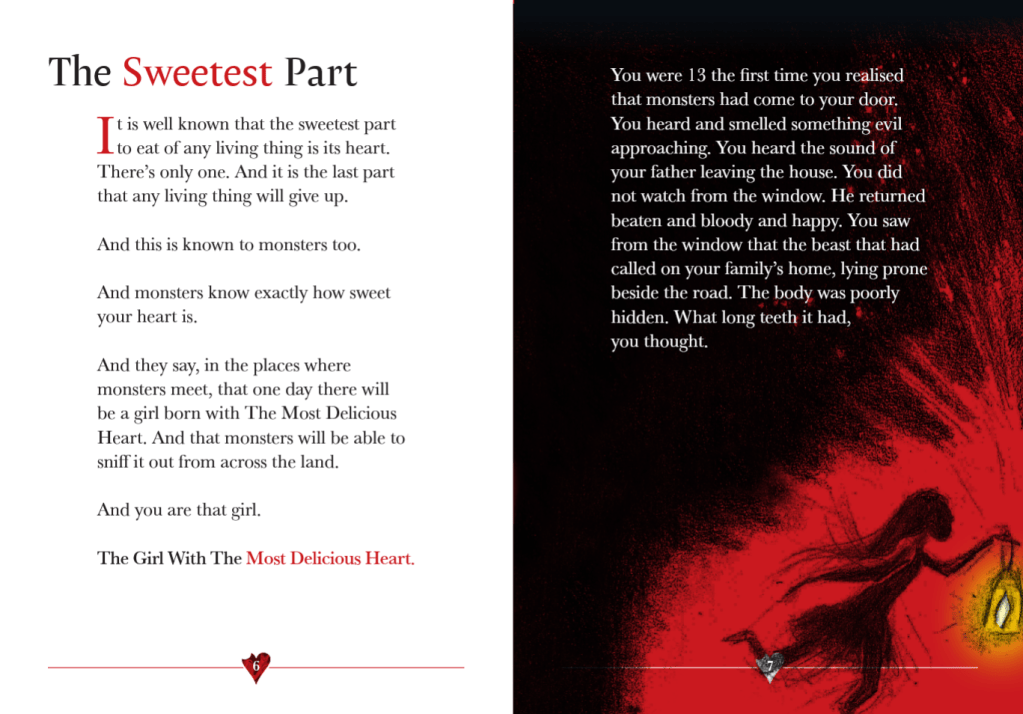
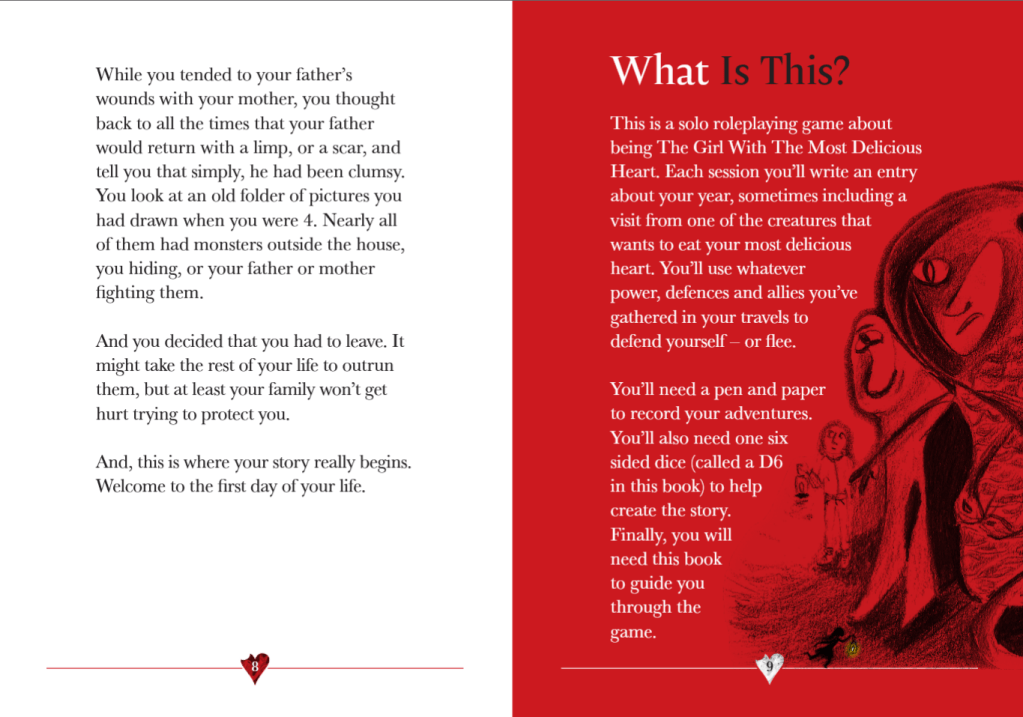
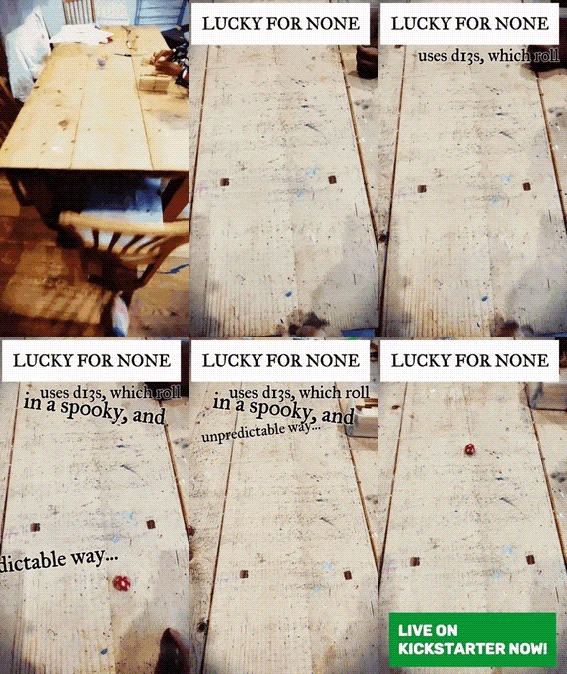
I wanted to do this because I’d had a really good time creating and funding our first game, The Taming of the Slugiraffe, and thought that a quick and silly follow-up game would be the perfect thing to get me back into the swing of things.
You see, I had left my role as the editor of Tabletop Gaming Magazine the previous year. This was probably the best job I’d ever had, but had a small trade-off of making me totally insane. Because my partner and I were planning on having a second child, it was the right thing to move to a job where there was less ‘being insane about cardboard’ involved.
But because of this change of job, I felt very disconnected from the games community I had spent a lot of time in. It’s great when your job is mostly ringing people up who you like a lot and asking them about the cool stuff they’ve been imagining. I suddenly didn’t have a reason to ring people and more importantly, they had no reason to talk to me if I wasn’t offering an opportunity to promote their wares (I projected). It didn’t matter if I considered them a bit of a friend, they’d not want to hang out with me. Putting together a ‘new thing’ would be a chance to at least tweet about games a bit, I thought. Maybe someone could even review it. This is one of the highest forms of flattery, after all.
I also, I suppose I have to say, I was thinking it would be nice to have a couple of hundred extra quid around. I think we made about £350 from our first game, and that kind of money is a lot of nappies.
This was all within near-certain reach when, with our first surprise twist, my son was born three weeks early. I went on to paternity leave and had quite* a lovely time. Kickstarter put the cash into my account. I felt like, sure, I didn’t quite have the time ahead of me to finish the project as I expected, but you can really do amazing things when you’re a slep deprived maniac.
When I returned to work two weeks later there were obvious bad vibes. Shortly after something like 60% of the company was fired. It’s not so bad, emotionally, when you’re booted out alongside the CEO and head of finance or whatever. And I’ve never had an issue getting a job, so a little redundancy pay and time with my family seemed like a good deal to me at the time.
Except it was a lot harder than I expected. I had some very kind people let me do some work for them in the TTRPG community. Truly the best people in the best business.
It took me something like six months to find a decent enough job, and I took some bad work with great people in the interim. This was a terrible rolling contract that had nothing in the way of benefits.
I struggled to work on the game because it seemed like the back up plan. That I could always return to it when I really needed to. It’s a serious business applying for jobs. Eventually I got the job I have now, which is stable, close, and has benefits. Hoorah!
Which meant I now could finish the game, get it to the designer, and then out to backers. It would end up being two years late, but it would end up in people’s hands.
What went wrong?
Circumstance and having quite* a lovely time and only account for some of this, though, as expressed above and below, they are a major part of why the game was delivered so late.
Firstly, I was working solo on the game. My partner, the artist, was busy having a really hard time being pregnant. It’s difficult for everyone to some degree, by my partner really suffers. I planned to do all the art myself, and I committed myself to doing too much.
Secondly, I allowed the scope to creep. What was promised as a 8-12 page game ended up being 24 pages.
This is partly because I over committed myself on some of the writing. I knew I needed to add lots of exciting examples of strengths and weaknesses, as not everyone has spent their time thinking about roleplaying game monsters (obvious you, dear reader, have, but I am talking about those others). And I thought that it would be good if you could roll a dice in the solo mode to generate your pen pal’s monster weaknesses and strengths. I’d decided D20 examples of each would be good, and that I would offer D4 ideas within each.
Fans of counting and numbers will have spotted an issue here. That’s 20 + (20 * 4), or 100 prompts, for strengths and weaknesses each. My 8-12 pages, pay-a-fiver-for-a-pdf game was now going to contain what amounts to 200 prompts to help you work out what sort of horrible monster you’ve created. This was not wise, but it was probably the right thing to do.
I’ve had to also drop a few of the other promises I made at the launch of the KS. I was hoping to build in secret identities and social deduction style play into the game. Playtesting told me that this was too unwieldy, too distracting from the core create-and-tell loop at the heart of the game. While this isn’t a ‘something going wrong’ promising anything on the KS page that doesn’t appear in the game is a sin. I have shipped a better game, but it’s not exactly what was promised.
Conversions for popular roleplaying games are in the book. But they are, like all conversion tools, a bit of a ‘vibes instructions’ thing rather than something crunchier that could be used with no prior knowledge. Why you’d convert a creature into a game that you don’t know about is a question for someone else of course.
The final book is something I am proud of, thankfully.
Things I am proud of
There’s lots of things I think I did really well here. The emergent play in the solo mode, using the prompts created, is really fun! I made some horrible things with some very personal scars. It’s genuinely good journaling fun.
The use of superscript for the D4 rolls on each example within a strength and weakness. It’s a fun way to do a sort-of-table without breaking out an actual… table.
I think the DEATH page looks really cool.
It looks HOT. My graphic design and layout friend Mike Carr has made the book look like its worth twice as much as people paid for it. He’s SO GOOD guys. You should consider hiring him for your next very well remunerated project.
I am very thankful to the extremely kind backers who were with me throughout this journey. I hope you like the game! Please consider leaving a review with any feedback whatsoever, or leave a comment here. I sometimes send out newsletters from this site, sign up if you like the sound of that.
Consider taking a look at The Frankenstein Society Meeting Handbook on itch. Please follow me on Bluesky, I find it very validating.
* The Asterisk
This is the too much information part. Don’t read it if you don’t want to, it’s not really about the game.
You see. I wasn’t having a good time being a father of two, I was reliving a nightmare moment we had in the hospital. CW: Baby Danger.
There was a moment when my son, hours old, stopped breathing and his skin started to turn grey. It was, I now know, a second, a moment between heartbeats. Something had got stuck in his throat and he was unable to breathe for that moment, and in that moment I was certain he had died.
My son is named after my father, who also died in this hospital when I was 19. It ruined my brain, and much of the reason I write my name out in full all the time is because, if I write my name out in full then I also write out my father’s name – and with that he still lives.
So I thought, in that moment, that I was deeply cursed, that I could not have this perfect child to share named with across three generations. I couldn’t do the sad duty of bringing him up without the guidance of my father. I couldn’t have the opportunity to bring up a boy half as well as my father had.
What actually happened was that I hit the emergency button, I yelled, there was a nurse feet away, his airways were cleared, a doctor checked him. He was screaming and happy so shortly afterwards. I didn’t really sleep after that, as you’re meant to, in the big dad chair.
My son was fine, he is fine, there were no negative effect from that incident, and it was all okay in the end. Assuming the end is right now in this unfurling moment of the present reality.
But that didn’t stop me reliving that moment again and again. It would creep in and I would be back there, suddenly, and when I was there I would know he was dead.
This is a difficult thing to happen mid-conversation, or while driving, or sometimes, even while playing with my son in the park. It left a small but very deep chasm between myself and the rest of the world. And the rest of the world could could not see this chasm.
This was grief.
Now, I am good at grief. My father died at 45 from a massive and unexpected stroke. He was a clever, kind man, a gentleman to everyone who knew him. He taught me how to imagine, how to draw, how to fish, how to chop wood. He left a hole in my family which never really recovered. I have never really recovered. In fact much of what I do is motivated by the lessons his death taught me. Because of this, amongst other things, grief is something I have had practice at.
Yet this event, which didn’t happen in the way I felt it, haunted me despite my years of training. It was very frustrating in that way.
Eventually, after realising exactly how insane I was becoming, how paranoid, how much I was shredding my brain, and how much stress and strain I was putting my partner under (because my brain had decided she was the only safe person to look after our children), I went and got some therapy.
I specifically sought EDMR therapy, which is a weirdly effective therapy where you wiggle your eyes and then have a chat, hoping to unlock parts of your brain by having you feel like you’re experiencing the moment again. This allows you to process it and actually have the associated feelings.
The NHS sorted me out over about 16 weeks of virtual chats with my therapist. Someone I really felt I understood and understood me. It helps she is also in the dead dad club. She was excellent, and I still need to write her a review to use as part of her private practice.
And now I am a bit more sane and unhaunted. I can recognise my good luck and I can connect with everyone properly again. That’s all it took, some voodoo and a good chat with a professional.
And, nearly as importantly, I could finally finish the game.
Thank you for reading. This is more personal than I normally am. Consider taking a look at The Frankenstein Society Meeting Handbook on itch. Please follow me on Bluesky, I find it very validating.